
What Affects the Cost of General Trade Work? Key Factors for Homeowners
What affects the cost of general trade work?
When homeowners ask how much a job will cost, the answer depends on far more than the visible task. General trade work can cover a wide range of property services, and every home presents different requirements.
The condition of the surface, ease of access, materials needed and amount of preparation can all influence the final quotation. Understanding these factors makes it easier to compare quotes fairly and avoid unexpected changes once work is under way.
For homeowners in Hull, local conditions can also be relevant. Older terraces, compact driveways, extensions and properties with limited parking may require a different approach from a modern detached home with open access.
1. The size and scope of the job
The overall size of a project is one of the clearest factors affecting the cost. A larger area takes more time to inspect, prepare and complete. It may also require additional materials, equipment or waste removal.
However, area alone does not tell the whole story. A small job with difficult access or heavy soiling can take longer than a larger, straightforward project. When requesting a quotation, describe the full scope rather than relying only on measurements.
Useful details include:
- The approximate size of the area
- The type of surface or material involved
- Any visible damage, staining or deterioration
- Whether surrounding walls, gates, planting or vehicles need protection
- Whether there are access restrictions or parking limitations
Clear information helps a tradesperson assess the work more accurately before attending.
2. The condition of the property or surface
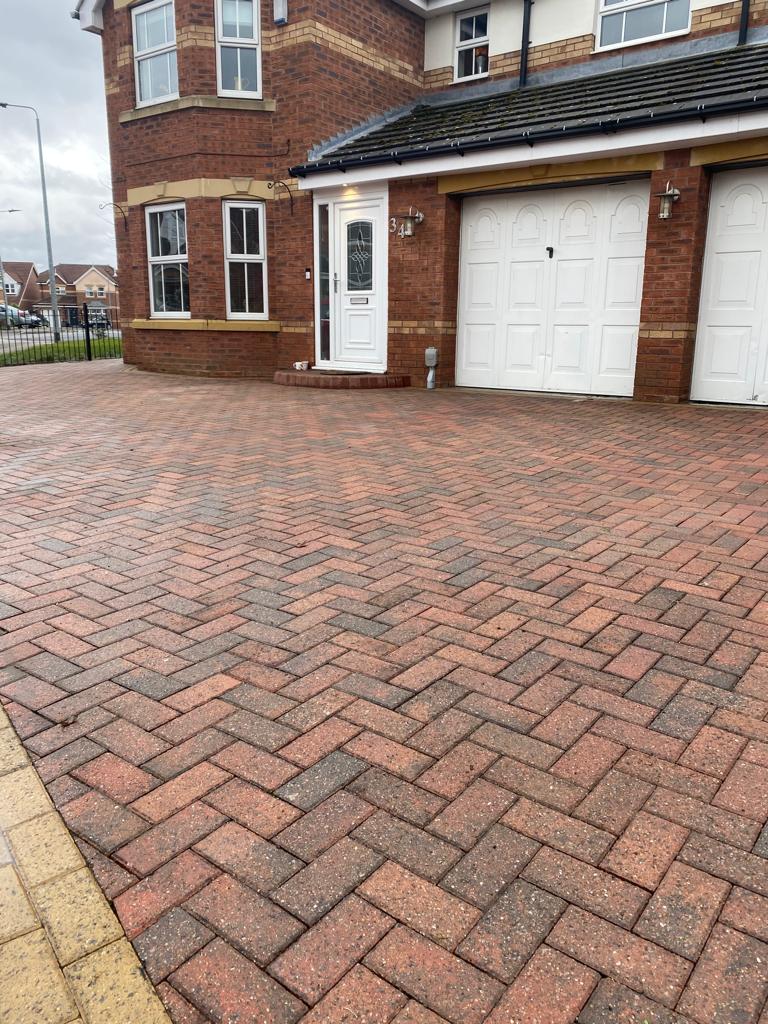
The condition of the area can have a major effect on the work required. A surface that has been maintained regularly may need less preparation than one affected by long-term algae, moss, oil, dirt or weathering.
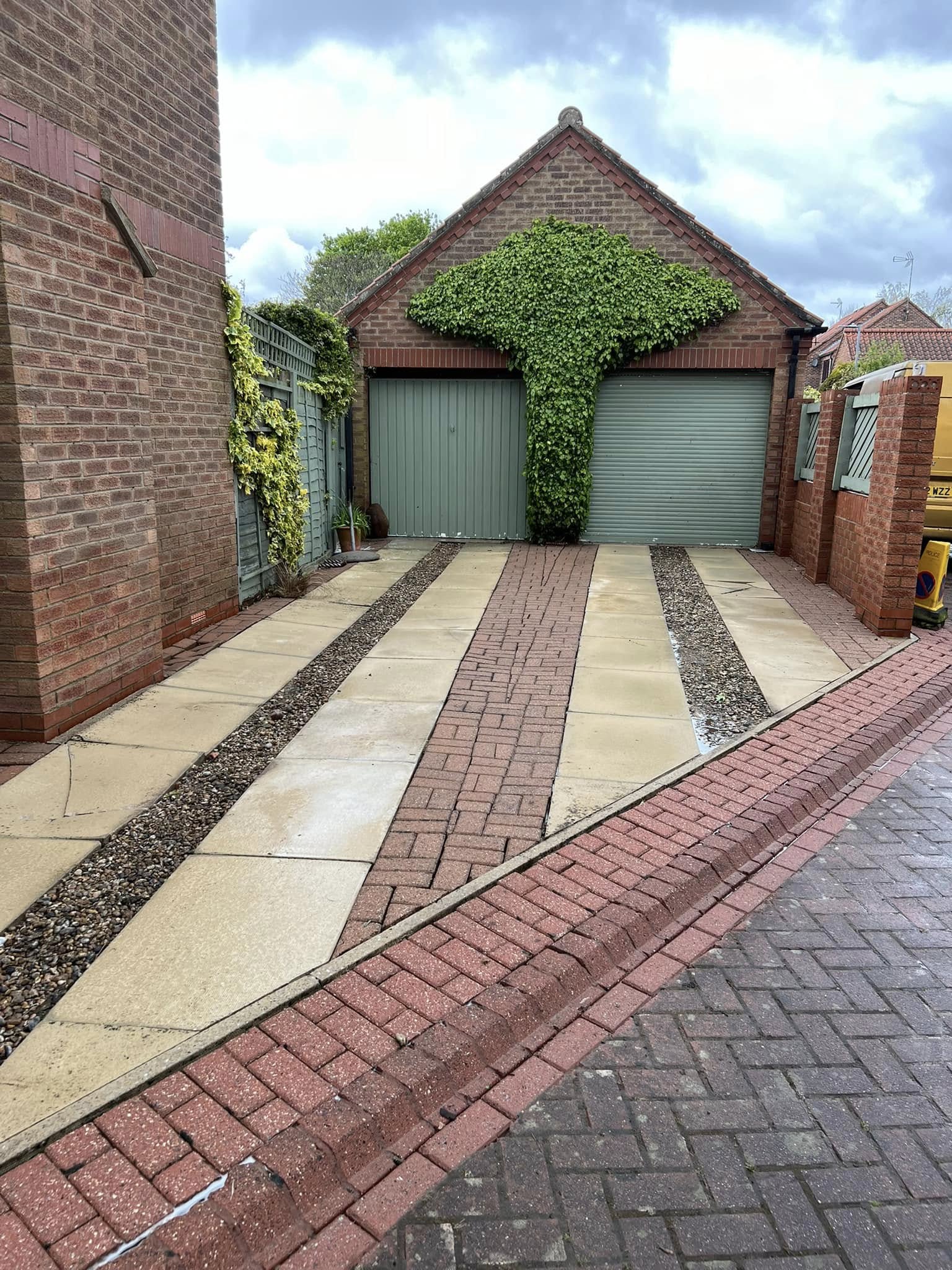
For external areas, drainage and existing damage are also worth considering. Cracked surfaces, loose joints, uneven sections or failed edging may need attention before cleaning or other work can be completed properly. A quotation should make clear whether it covers the main task only or includes additional preparation.
Homeowners should not assume that every mark can be treated in the same way. Different stains and surface materials can respond differently, so a proper assessment is important before work begins.
3. Access and the layout of the property
Access affects the time, planning and equipment required for many types of general trade work. A wide driveway with direct access is usually simpler to work on than a rear garden reached through a narrow passageway.
In Hull, many properties have layouts that can create practical challenges, particularly older terraced homes and closely spaced properties. Steps, gates, low bridges, shared access routes and limited parking may all affect how materials and equipment reach the work area.
Tell the tradesperson about access restrictions when asking for a quote. Photographs can be useful, especially where the work area is behind the property or cannot be seen from the road.
4. Materials, products and equipment
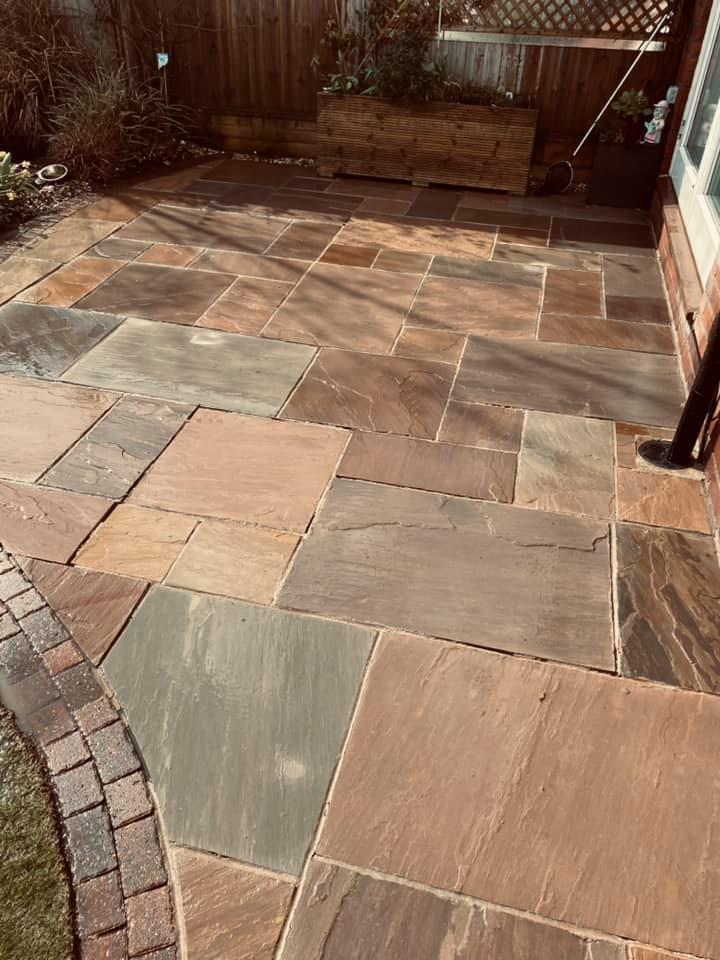
The materials required will depend on the type of work, the surface and the result expected. Different surfaces may need different products, tools or preparation methods. The choice is not simply about selecting the cheapest option. Using an unsuitable product or method can lead to poor results or damage.
Equipment requirements can also vary. A straightforward job may need limited preparation, while a larger or more heavily affected area may require additional equipment and time on site.
Ask whether materials and equipment are included in the quotation. It is also sensible to check whether any disposal, cleaning or final preparation is included, rather than assuming it forms part of the advertised service.
5. Preparation and additional work
Preparation is often the part homeowners notice least, but it can account for a substantial amount of the time involved. Moving items, protecting adjacent areas, clearing vegetation, removing loose material and dealing with difficult staining can all affect the scope.
A quote that appears lower may not include the same level of preparation as another quotation. Compare what each tradesperson has actually included, not just the final figure.
If additional problems are discovered during the work, a professional should explain what has been found and discuss the options before carrying out extra work. This gives the homeowner a chance to make an informed decision.
6. Timing and availability
The timing of a job can affect scheduling, particularly where weather conditions matter. External work may need suitable temperatures and dry conditions, while seasonal demand can affect appointment availability.
It is worth allowing flexibility if the work depends on weather or if the property needs time to dry between stages. A rushed job is rarely the best approach for external surfaces.
How to get a clearer quotation
To make quotations easier to compare, provide accurate information from the start. Send clear photographs, explain the problem, identify the surface and mention anything that could affect access. Ask what is included, whether preparation is covered and how any additional work will be handled.
Avoid choosing on price alone. Look for a clear written scope, relevant experience and communication that gives you confidence the work has been properly considered.
If you are planning work at a Hull property and want to discuss your requirements, contact Dirty Driveways Hull. You can call 07786 006886 or email info@dirtydrivewayshull.co.uk to ask about the next steps.