
A Complete Guide to Driveway Cleaning for Homeowners
A homeowner's guide to driveway cleaning
A driveway is exposed to traffic, rain, frost, fallen leaves, oil, mud and everyday footfall throughout the year. Over time, this can leave paving looking dull, stained or covered in moss and algae. Regular driveway cleaning can improve the appearance of your property and help you spot surface problems before they become more difficult to manage.
For homeowners in Hull, damp weather and shaded areas can encourage organic growth on paving. The right cleaning approach depends on the driveway material, the type of dirt present and the condition of the surface.
Start by identifying the driveway surface
Before cleaning, establish what your driveway is made from. Different materials respond differently to water pressure, cleaning products and agitation.
Block paving
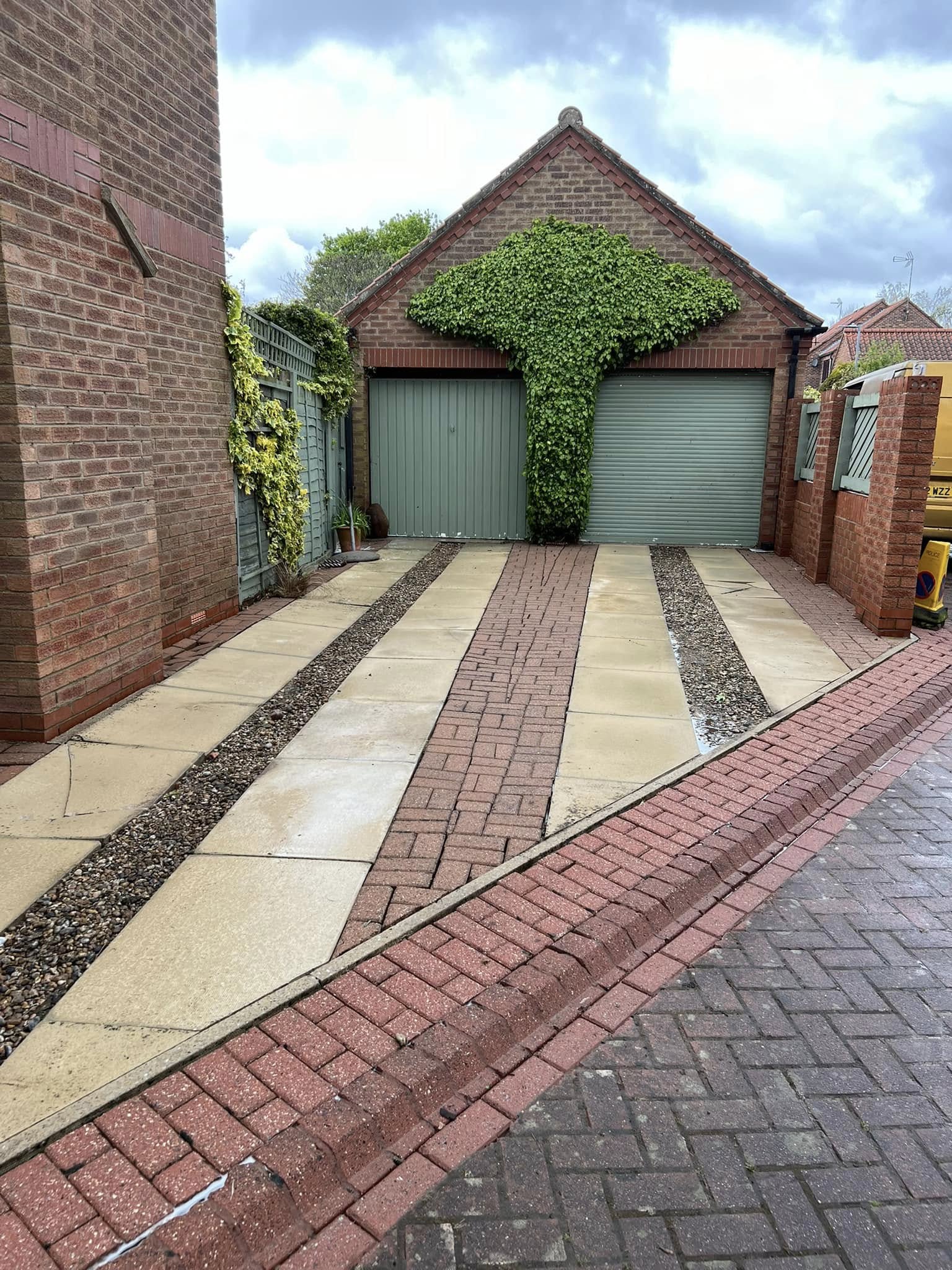
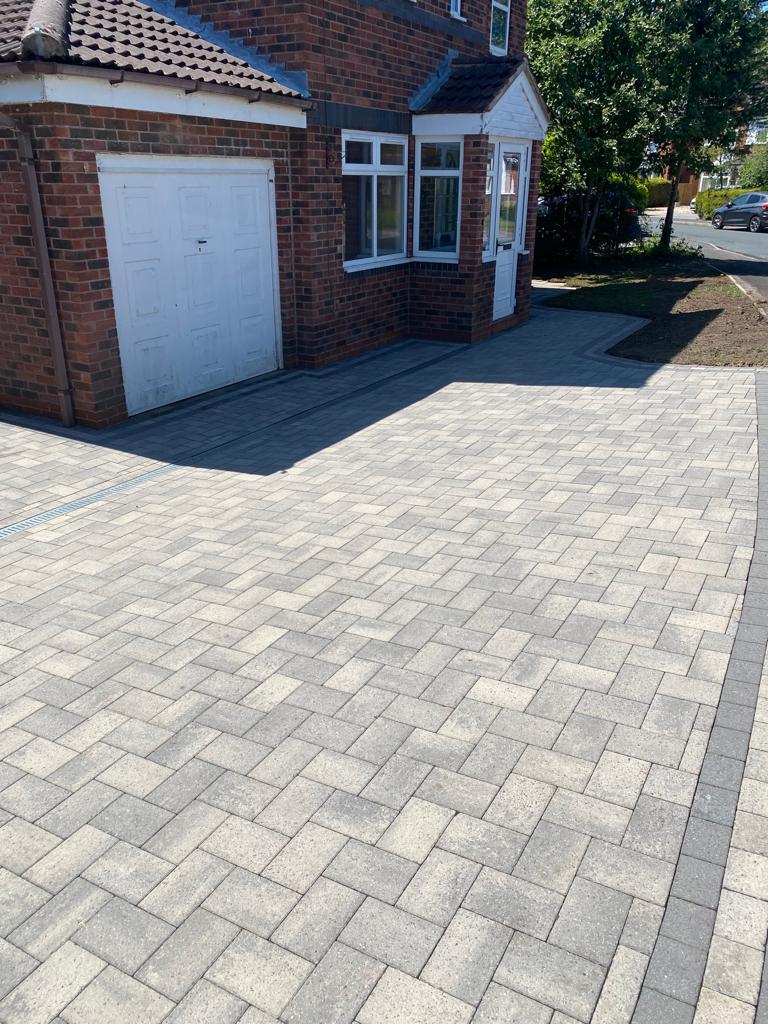
Block paving can collect dirt in the joints between individual blocks. Weeds may also appear where soil and organic matter have built up. Cleaning can lift surface grime, but the joints may need attention afterwards if sand has been displaced.
Concrete
Concrete is generally hard-wearing, but it can develop dark patches, tyre marks, oil stains and green growth. Cracks and areas of surface wear should be identified before cleaning, as aggressive pressure can make existing damage more noticeable.
Tarmac
Tarmac should be treated carefully. Excessive pressure or unsuitable chemicals may damage the surface, loosen the aggregate or leave visible marks. A gentler approach is often more appropriate than treating tarmac like concrete or block paving.
Natural stone
Natural stone can vary significantly in hardness, porosity and finish. Some stone surfaces may be vulnerable to etching, colour changes or damage from harsh products. Test any cleaning method on a small, less visible area first, or seek professional advice before proceeding.
What should be removed before cleaning?
Clear the driveway of vehicles, bins, planters, toys and other items. Sweep away loose leaves, grit and soil. Trim back vegetation around the edges where possible, because overhanging growth can continue to deposit organic matter after the surface has been cleaned.
Check nearby walls, doors, garage entrances and drainage channels. Cleaning can move dirty water and loose debris, so it is important to prevent blockages and avoid allowing contaminated runoff to enter areas where it could cause a problem.
Dealing with common driveway stains
Moss, algae and lichen
Green or black growth is more common in shaded, damp areas. Brushing may remove loose growth, but established patches can be firmly attached to porous surfaces. Take care when walking on affected areas, as they can become slippery when wet.
Oil and fuel marks
Oil stains should be addressed as soon as possible. Fresh spills are usually easier to manage than old, embedded marks. Absorbent material can help lift some of the liquid, but rubbing the stain may spread it across a larger area. Do not mix cleaning chemicals, and follow the product instructions carefully.
Weeds
Weeds growing between blocks or along edges should be removed before the main clean. Pulling out visible growth without dealing with the material in the joints may only provide a temporary result. If jointing sand has been lost, the gaps may need to be refilled once the surface is dry.
General dirt and traffic marks
Mud, dust and tyre marks often require mechanical agitation as well as water. Avoid assuming that maximum pressure is the best option. A suitable method should lift the dirt without marking the paving or damaging joints.
Is pressure washing suitable for every driveway?
Pressure washing can be effective, but the technique needs to match the surface. Holding a lance too close to the paving can create striping, remove jointing material or damage weak areas. On older surfaces, high pressure may expose defects that were previously less visible.
Use the lowest effective pressure and keep the nozzle moving. Protect nearby doors, windows and painted surfaces from spray. If the driveway is cracked, loose, heavily weathered or made from a delicate material, professional driveway cleaning advice may be the safer option.
How often should a driveway be cleaned?
There is no single schedule that suits every property. A shaded driveway beneath trees may need attention more frequently than a sunny, open surface. Usage, drainage, nearby vegetation and the driveway material all affect how quickly dirt and organic growth return.
A practical approach is to inspect the surface during spring and autumn. Look for slippery growth, blocked drainage, spreading stains, weeds in joints and areas where water is not draining properly. Early attention can make future cleaning more straightforward.
When to request professional driveway cleaning
Professional help is worth considering when stains are deeply embedded, the surface is large, the paving is delicate or previous cleaning has left uneven marks. It is also sensible to ask for advice if you are unsure which products or pressure settings are suitable for the material.
The scope of work can depend on surface type, access, the condition of the driveway, the level of staining and whether jointing material needs attention afterwards. Requesting a quote allows these factors to be assessed properly rather than relying on a standard assumption.
For homeowners in Hull, Dirty Driveways Hull can discuss your driveway cleaning requirements and the condition of the surface. To make an enquiry, call 07786 006886 or email info@dirtydrivewayshull.co.uk.